The short answer
The electric power grid relies on three interconnected components: generation, transmission, and distribution. This complex network generates electricity through various sources, transmits it via high-voltage transmission lines to prevent energy loss, and distributes it to homes and businesses through substations and power lines at appropriate voltage levels.
The long answer
A power grid is a complex infrastructure network responsible for the generation, transmission, and distribution of electricity to consumers. Here's a handy diagram to help you visualize each of the three main phases from ⚡️ to 🔌.

"Electricity grid simple- North America" by J JMesserly is licensed under CC BY 3.0.
Phase 1: Generation
This initial stage is where the electrical energy is actually created. Power plants produce electricity.
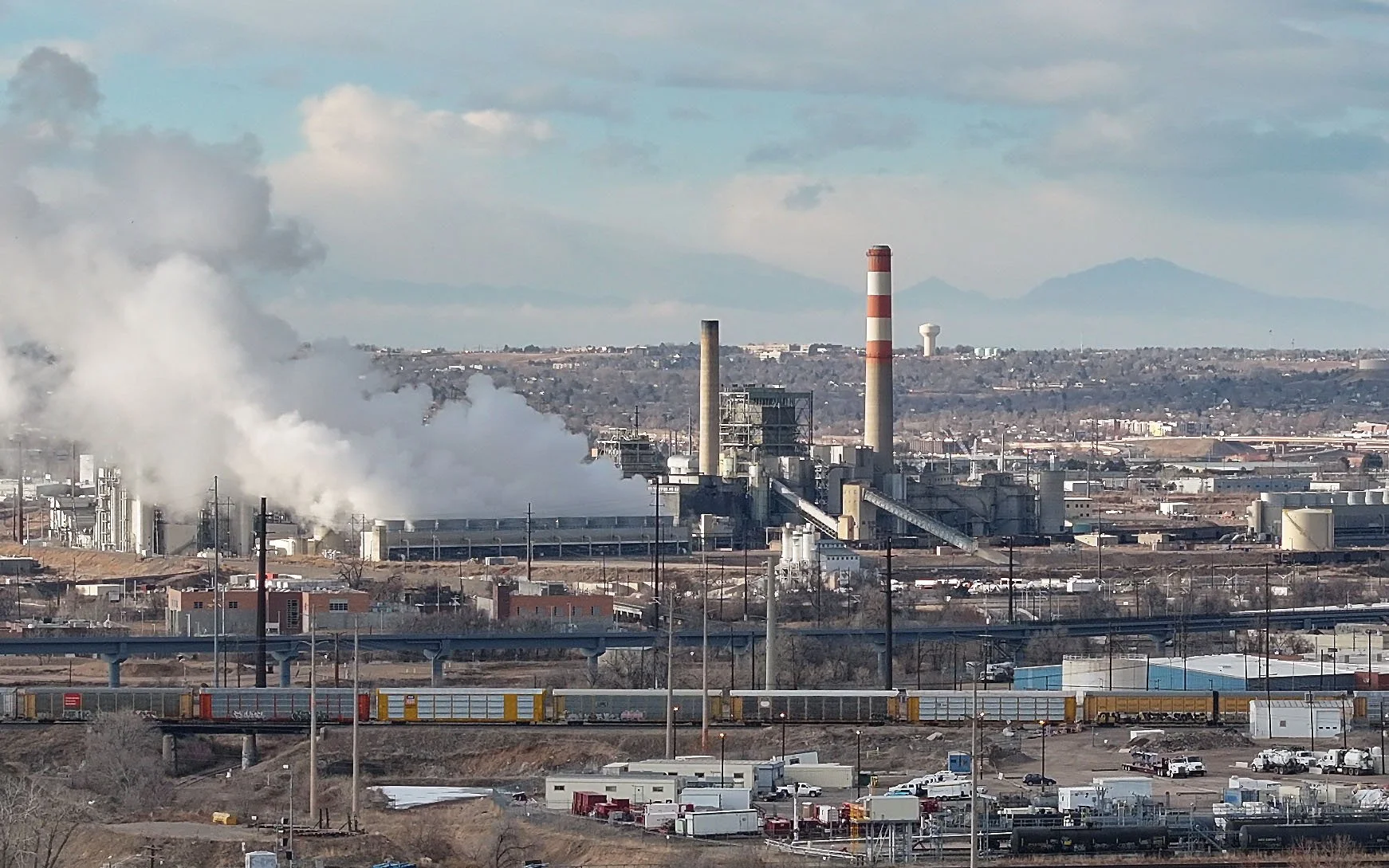
This power plant uses natural gas to generate electricity.
“Cherokee Generating Station in Denver, CO” by Quintin Soloviev is licensed under CC BY 4.0.
Depending on the type of plant, various energy sources (such as coal, natural gas, oil, nuclear, hydro, wind, solar, or biomass) are used to drive a turbine or generator which then converts mechanical energy into electrical energy. We call these power generation systems.
Phase 2: Transmission
Unlike other resources, electricity is not easily stored, so it must be sent via long-distance transmission lines from the power plants. To manage this incredible distance and scale, the grid relies heavily on high-voltage transmission. A device called a transformer uses electromagnetic magic to step up the voltage of the electricity so that it can travel across these lines.
Why high-voltage? Sending electricity at such a massive voltage (sometimes up to 500,000 volts) prevents significant energy loss. Here’s the physics put simply: higher voltage means lower current, lower current means decreased resistance loss, and decreased resistance loss means less lost energy.
Note: This is a very high-level overview of basic principles of electrical engineering. I highly recommend digging deeper if you're interested, starting this with this great analogy about why higher voltage means lower current.

This is an example of a high-voltage transmission line. Photo by Jeremy Bishop on Unsplash.
Fun fact: If you've walked by these high-voltage transmission lines before, you've probably heard the electricity create a buzzing/humming sound. That is because they use AC (alternating current) power, which literally vibrates the devices carrying it from point to point.
Phase 3: Distribution
After the power is stepped back down to a lower voltage by another transformer, local facilities known as substations distribute the power to nearby homes and businesses.
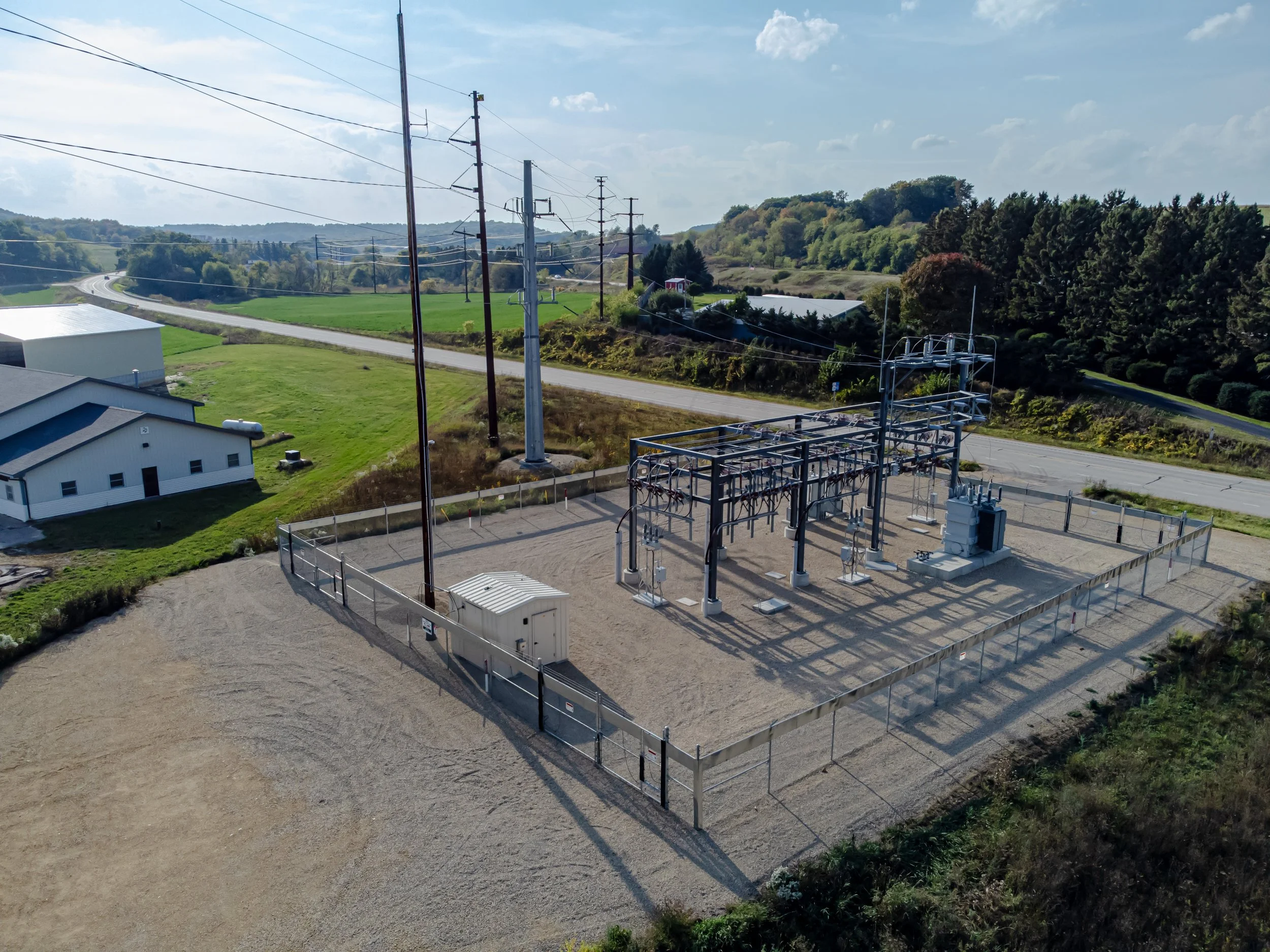
“Small electrical substation” by Wikideas1 is part of the public domain.
In this final phase, power lines carried on utility poles or buried underground connect the power to neighborhoods and individual buildings. The goal is to step down the power further in voltage at smaller transformers until it reaches the safe, usable voltage required for consumer use.
Curious about how the world works?
Today You Should Know is a free, weekly email newsletter designed to help you learn something new every Friday.
Subscribe today 👇
Sources
McBride, J., & Siripurapu, A. (2022, July 5). How Does the U.S. Power Grid Work?. Council on Foreign Relations. https://www.cfr.org/backgrounder/how-does-us-power-grid-work
Power Grid: What Is It and How Does It Work?. Just Energy. (2022, August 15). https://justenergy.com/blog/power-grid-what-is-it-and-how-does-it-work/
U.S. Energy Information Administration. (2022, August 11). Electricity explained: How electricity is delivered to consumers. U.S. Energy Information Administration (EIA). https://www.eia.gov/energyexplained/electricity/delivery-to-consumers.php