
How is plastic being removed from the ocean?
The short answer
Plastic is being removed from the ocean with boat-towed nets, but more effort goes into stopping it upstream by trapping it in rivers and cleaning beaches. Scientists are also testing ways to remove microplastics using filters, magnets, and microbes that clump or break them down.
The long answer
The ocean: home to singing whales, blue waves, and ... a disturbing amount of plastic waste.
Currently there's an estimated 75-199 million tons of plastic polluting the ocean, and the problem is only getting bigger. Each year, roughly 8 million additional tons of plastic enter the ocean — or a garbage truck’s–worth every minute.
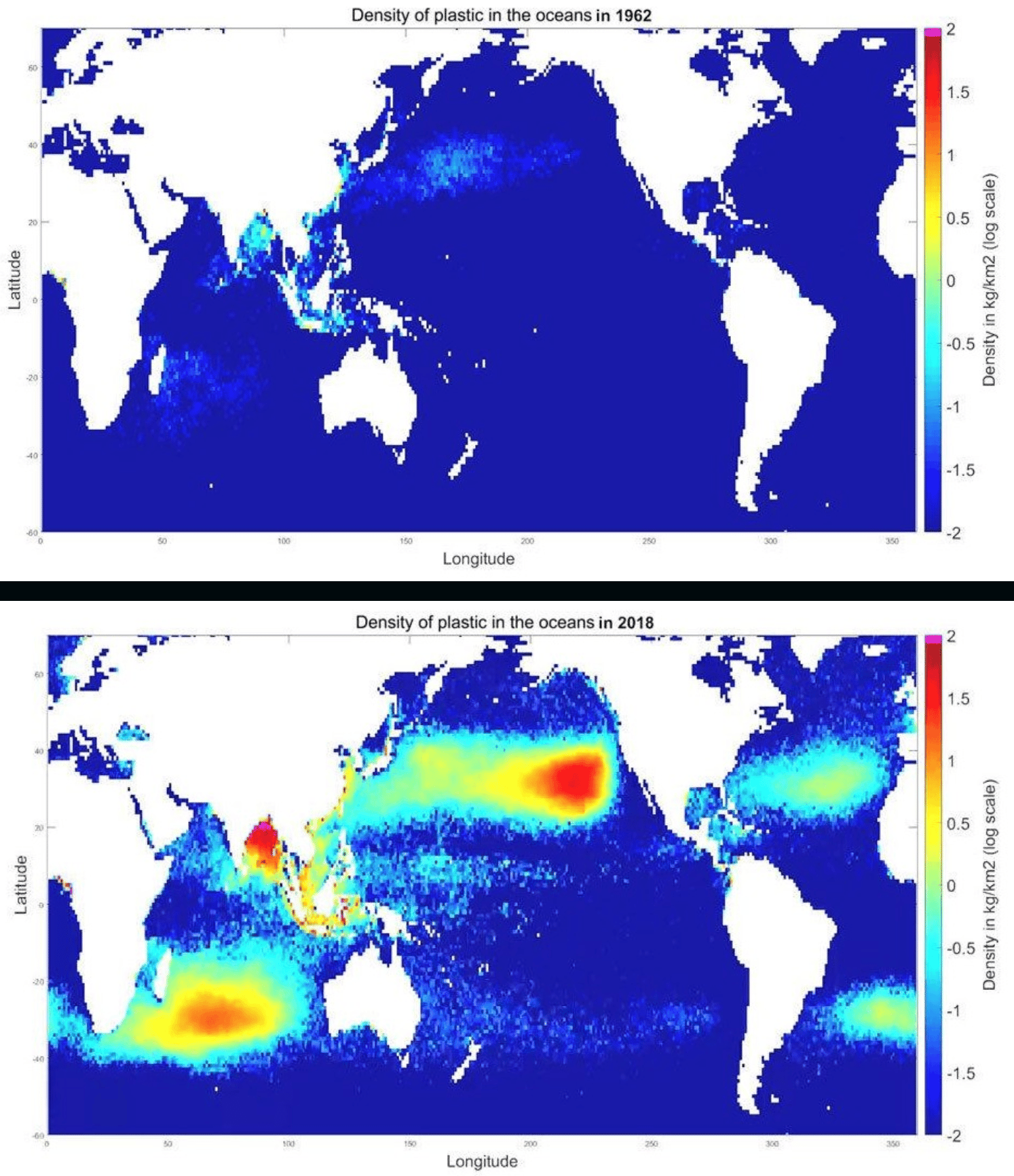
Density of plastic in the oceans in 1962 (top) vs 2018 (bottom). Credit: Ocean Cleanup Foundation
Our ocean plastic problem stems from recycling only 9% of the plastic ever produced and from inadequate waste disposal infrastructure. And as plastic production is projected to increase, the problem is only getting worse: By 2050, the mass of plastic in the ocean could outweigh all the fish in it.
Fixing the oceanic plastic pollution problem requires a multi-pronged approach of removing the existing plastic, preventing it from being polluted in the first place, and solving the microplastics issue.
How is plastic being removed from the ocean?
The main way we're tackling removing plastic already in the ocean is with a boat-towed, floating, net-like barrier called System 3.
The Ocean Cleanup, a Dutch nonprofit, created System 3 as part of their mission to get rid of floating plastic pollution in the ocean, mainly tackling the infamous Great Pacific Garbage Patch.
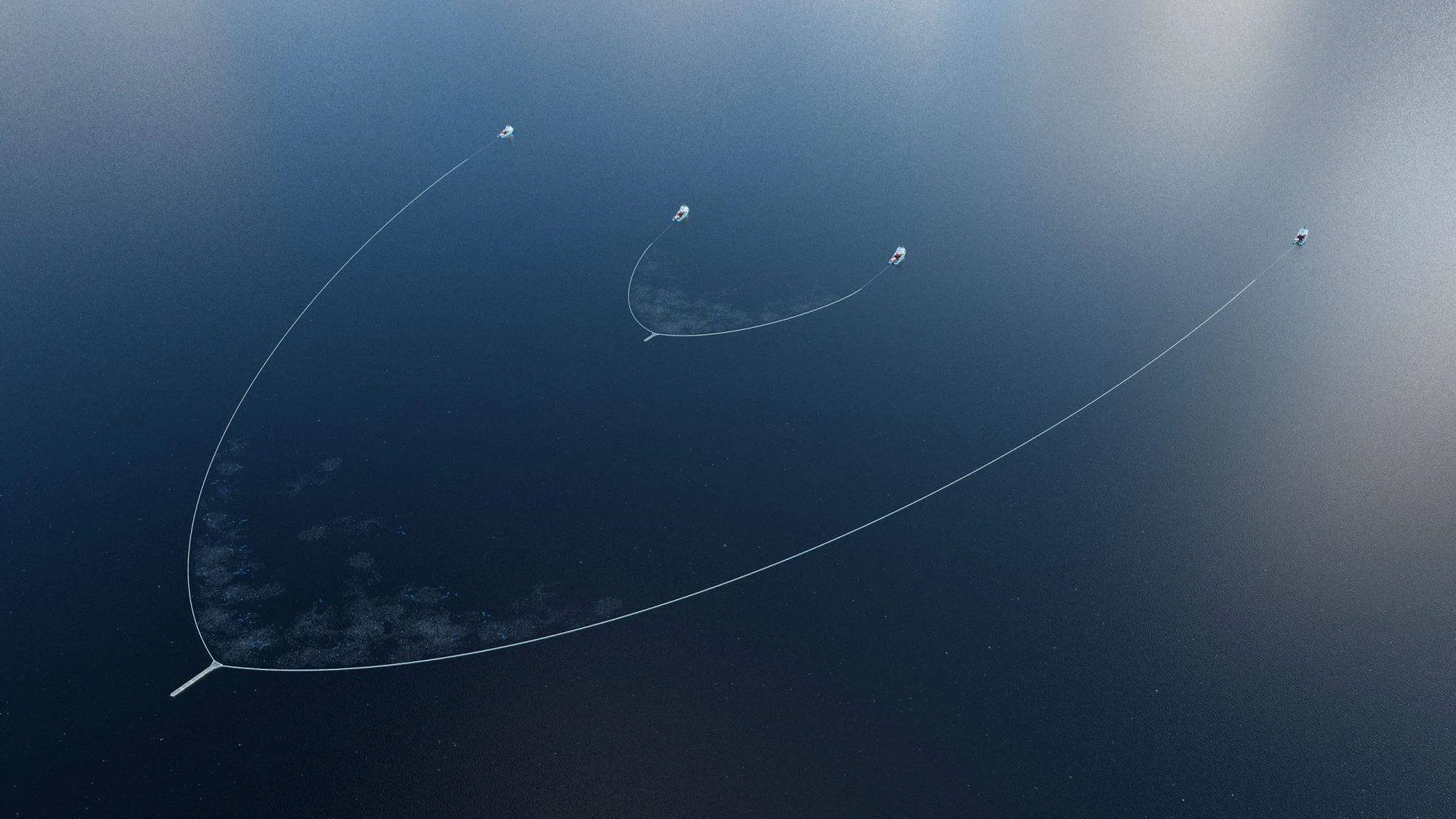
System 3 in action. The smaller "U" is their earlier System 002. Source: The Ocean Cleanup
System 3 is a 3-meter-deep net towed slowly by two boats that directs floating plastic into its central retention zone at the rear. Once a week, the boats come together to close the net, gather the collected trash, and empty it to be sorted and recycled onshore.
As of September 2024, The Ocean Cleanup has removed more than 1 million pounds of trash from the Great Pacific Garbage Patch, or 0.5% of the total accumulated trash.
Although System 3 moves slowly enough to avoid trapping marine mammals, birds, and fish, some experts worry about the impact on the lesser-known neuston organisms that live on the ocean's surface. Neuston include marine plants, microorganisms, and animals like sea snails, jellyfish, and the Portuguese man-of-war.
How is plastic being stopped from entering the ocean?
Perhaps more pressing is preventing plastic from entering oceans in the first place. There are several ways that we're stopping plastic from polluting the ocean:
Method #1: River cleanup
Most plastic enters the ocean from rivers. In fact, scientists have found that just 1,000 rivers are responsible for 80% of the river-to-ocean plastic pollution (for context, it's estimated more than 6,000 rivers flow into the ocean). Catching trash before it reaches the ocean is a far more efficient and effective way of tackling the plastic problem.
There are many river cleanup solutions being used right now. The Ocean Cleanup project has a fleet of "Interceptors" that catch trash at the mouth of polluted rivers to be sent to a waste management facility. As of 2022, eight Interceptors have removed 2.2 million pounds of trash from rivers in Indonesia, Malaysia, Vietnam, Dominican Republic, and Jamaica.
Using a similar design, Baltimore Harbor's Mr. Trash Wheel collects 17 tons of trash daily, which is then incinerated for electricity (click that link if you think that sounds terrible for the environment. You'd be surprised!)
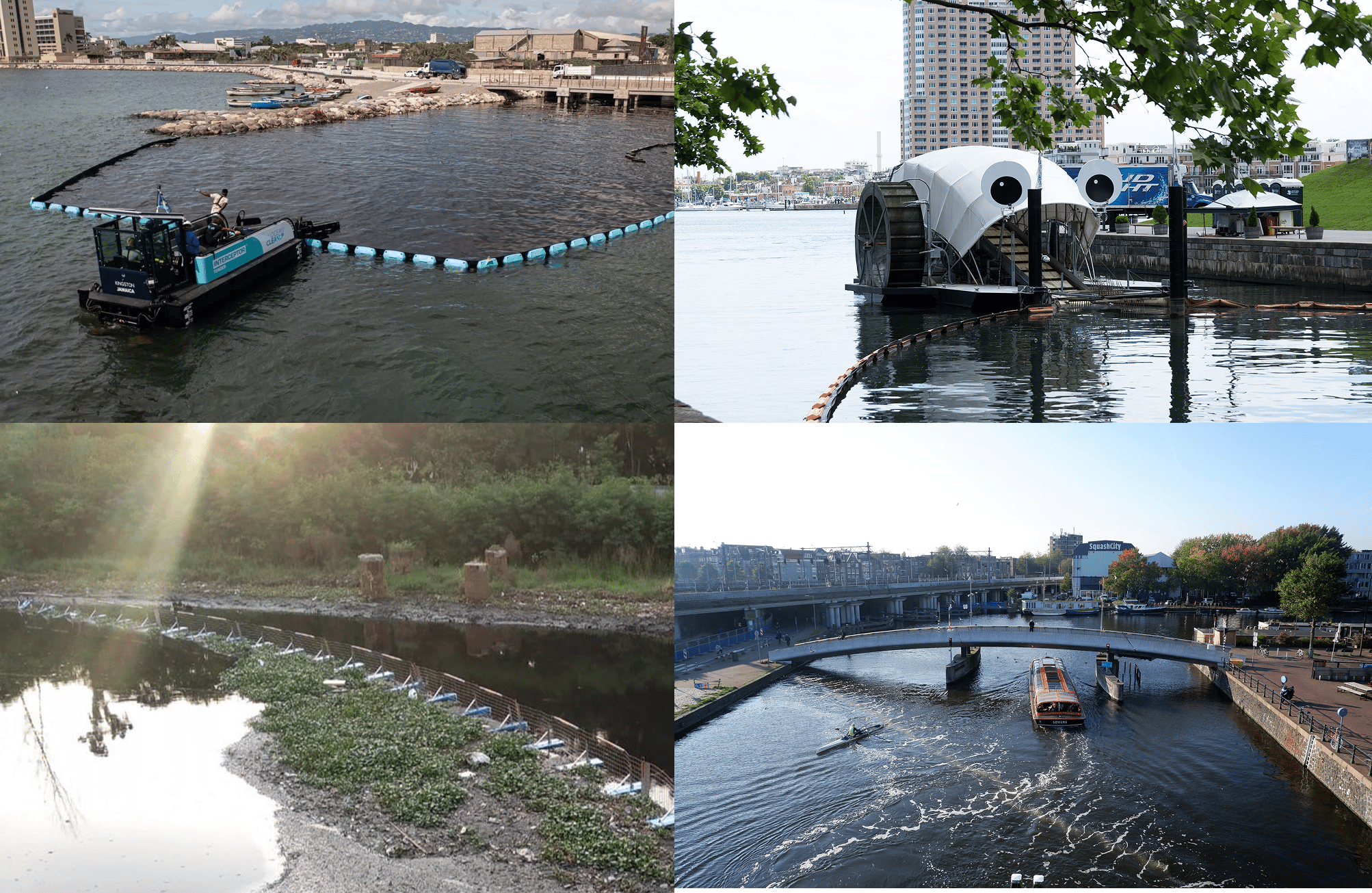
River cleanup solutions in action. Top left: The Ocean Cleanup "Interceptor". | Top right: "Mr. Trash Wheel" by Matthew Bellemare is licensed under CC BY-SA 2.0. | Bottom left: AlphaMERS floating stainless steel barrier. | Bottom right: "Bubble Barrier Amsterdam" by The Great Bubble Barrier is licensed under CC BY-SA 4.0.
In India, the AlphaMERS company makes floating, stainless steel mesh fences that catch trash and directs it to the shore where it's collected and disposed. As of 2022, 34 fences have been installed in eight cities in India.
And in Amsterdam, a Dutch startup uses bubbles to catch trash and it's all in the technique. The Great Bubble Barrier places a perforated tube at the bottom of a river and pumps air to create a curtain of bubbles. Ships, fish, and water can pass easily through the barrier, but plastic gets caught and collected.
Method #2: Beach cleanup
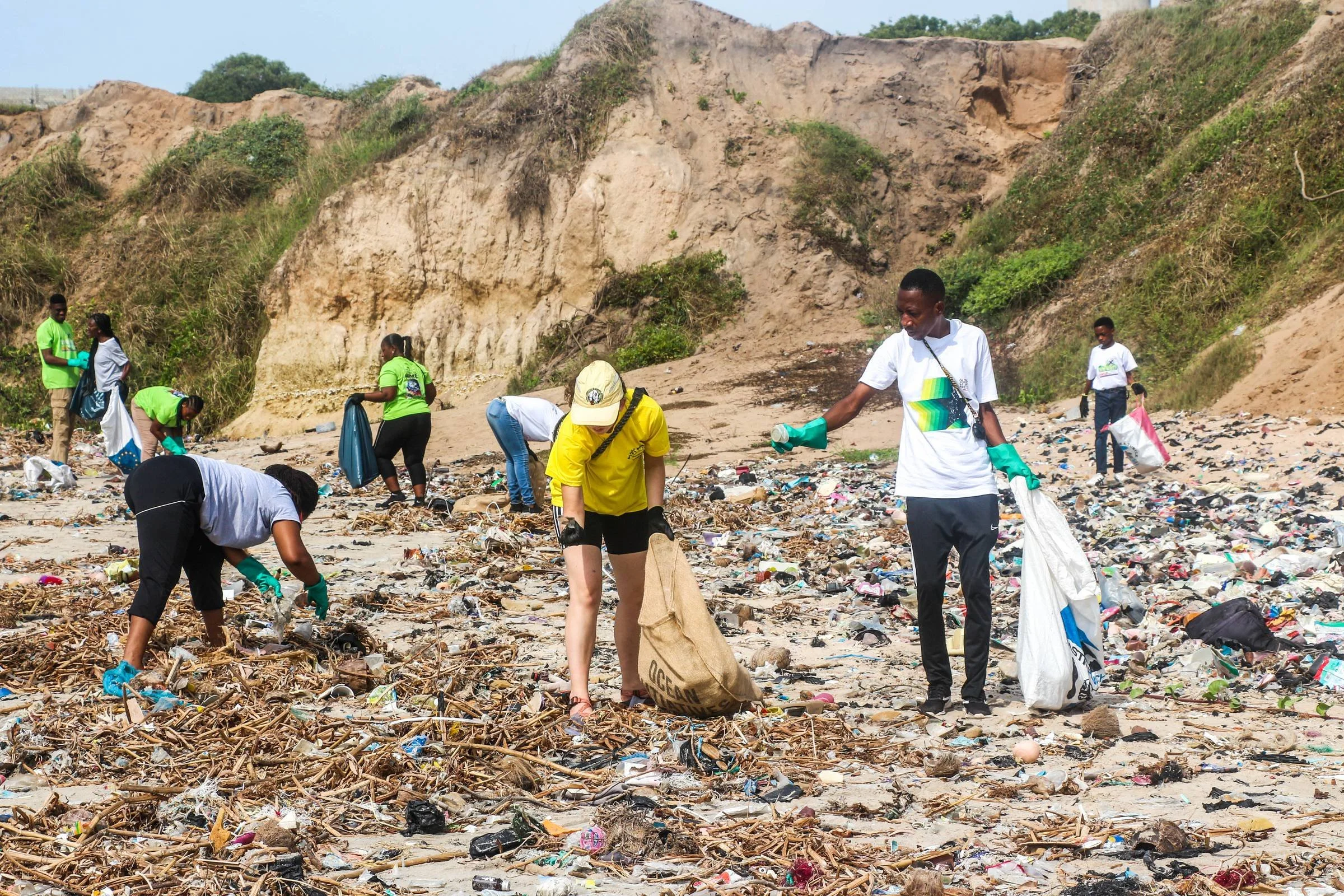
"Beach cleanup exercise in Ghana 11" by Esthee2010 is licensed under CC BY-SA 4.0.
Beach cleanups are also an effective way to prevent plastic from entering the ocean. One study found that 77% of plastic remained on beaches and coastal waters in the first five years after it enters the ocean. This makes beach cleanups one of the most effective ways to deal with ocean plastics.
Method #3: Reduce plastic production
At risk of stating the obvious, we should try to not use so much plastic in the first place to prevent it from polluting our oceans. There are many ways we can eliminate or reduce plastic production:
Banning single-use plastics
Swapping plastic for sustainable materials, especially in fishing equipment
Improving recycling systems to reuse more of existing plastics
These are just a handful of ways to reduce plastic production. Consumers have power to advocate for these by electing environmentally-friendly politicians, buying products made of glass, paper, or metal, and becoming a better recycler.
How can we remove microplastics from the ocean?
Plastic doesn't degrade. It simply breaks down into smaller and smaller pieces, resulting in microplastics less than 5mm in length. These microplastics make up a huge share of the ocean's plastic problem. Researchers estimate that almost 15.5 million tons of microplastics exist on the ocean floor alone.
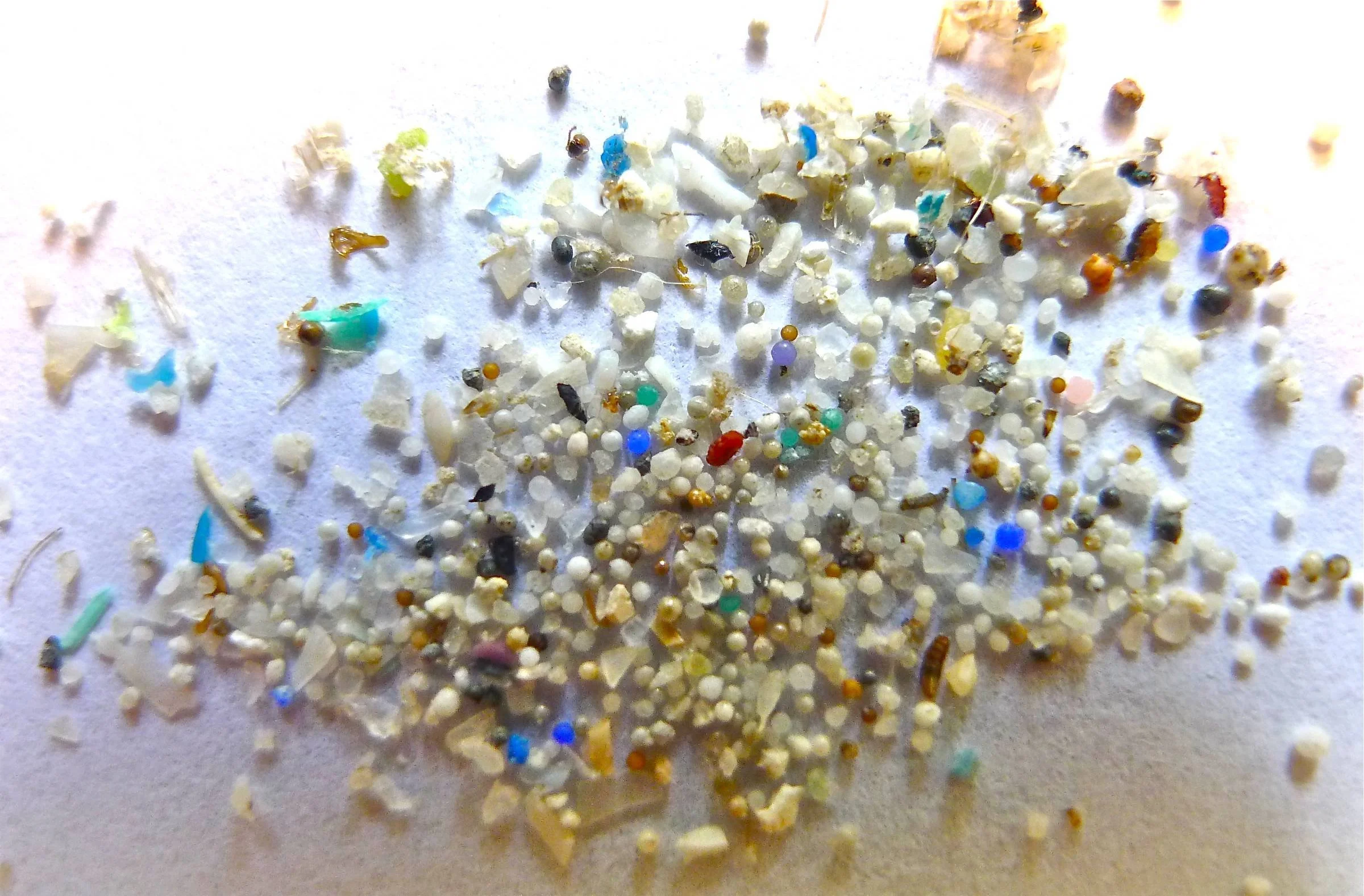
"Microplastic" by Oregon State University is licensed under CC BY-SA 2.0.
Marine animals eat microplastics along with the toxic additives added to make the original plastic flexible, colorful, waterproof, or flame-resistant. Microplastics can disrupt reproductive systems, stunt growth, and cause inflammation and organ damage in marine life.
And because plastic is now a part of the oceanic food chain, humans consume microplastics when we eat fish, seaweed, and even sea salt.
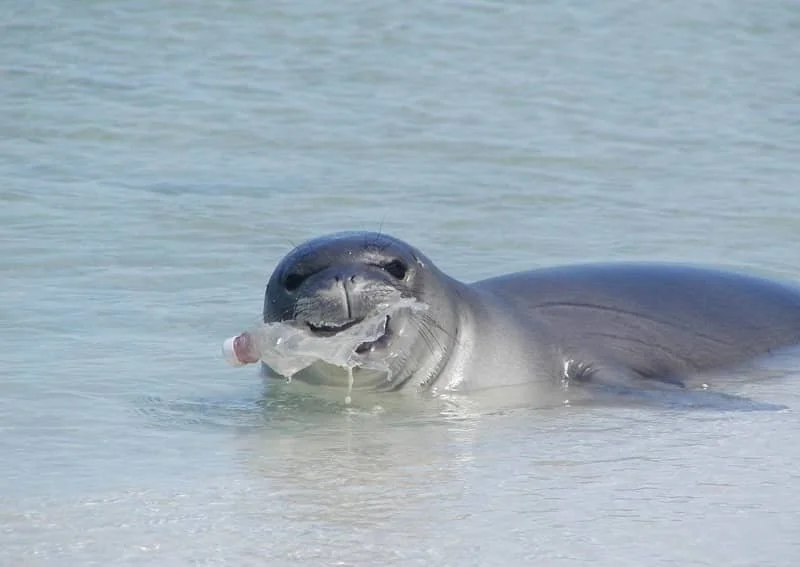
Source: NOAA
Most microplastics come from laundering synthetic clothing, personal care products, tires, and the breakdown of plastic debris. Currently there are no large-scale solutions in place to prevent microplastic pollution.
Scientists are developing innovative methods to both prevent new microplastics from entering the ocean and remove those already present.
Method #1: Chemical coagulation
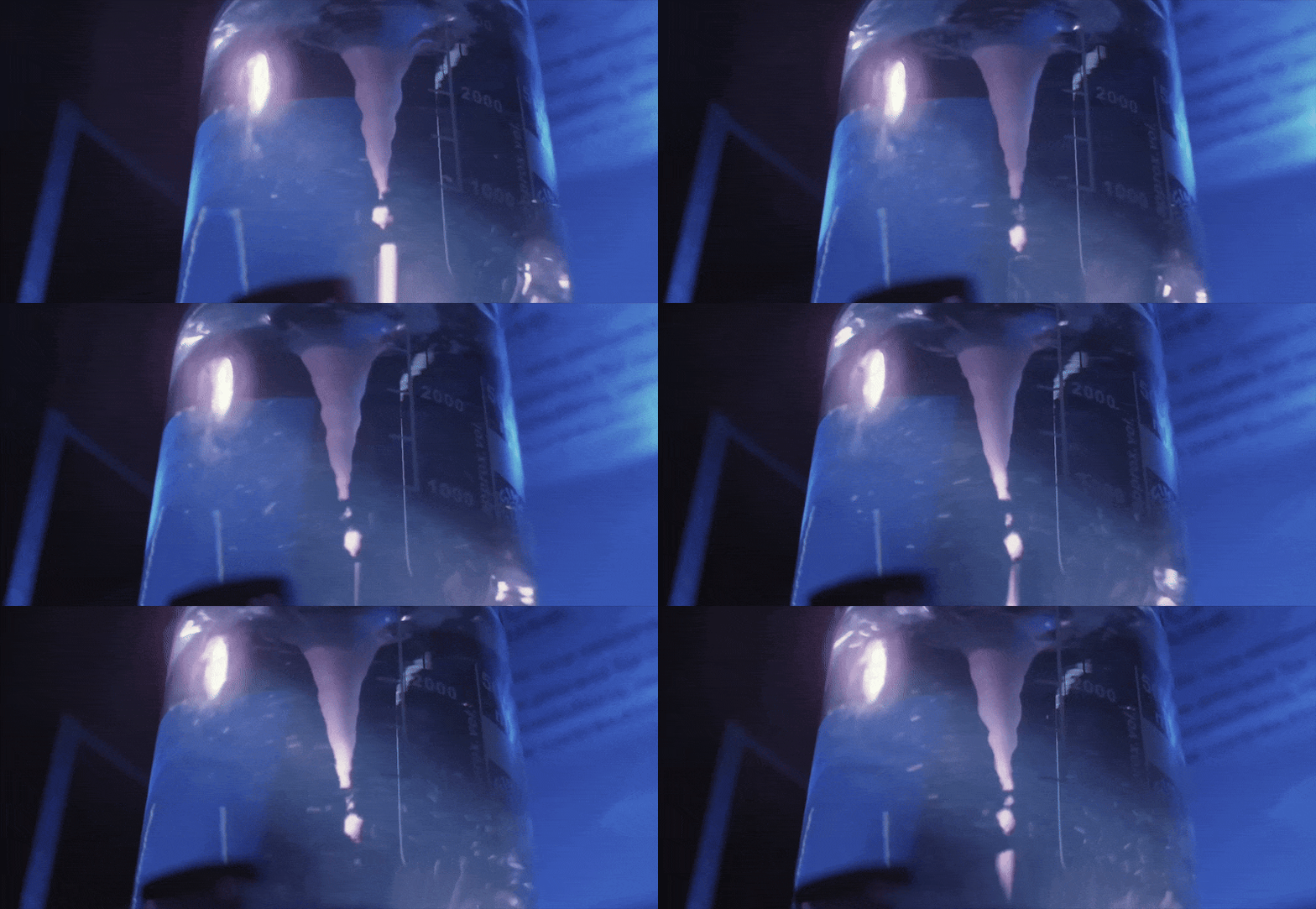
Source: EIB Institute
Microplastics often have a slight electrical charge that makes them repel each other. Chemists have figured out various non-toxic compounds (often metal salts) that cancel the charge and cause the microplastics to stick together. These clumps of plastic can be collected and removed from the water.
Method #2: Bioaggregation
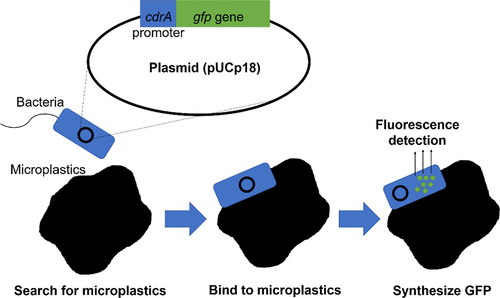
Source: ACS Sensors
Bioaggregation follows a similar clumping strategy as chemical coagulation, except it employs microbes like algae and bacteria. These special microbes can release a sticky substance that attach to the microplastics and form clumps. In one study, researchers even genetically engineered the bacterium Pseudomonas aeruginosa to glow fluorescent green when it touches to a specific type of plastic. Science!
Method #3: Advanced filtration
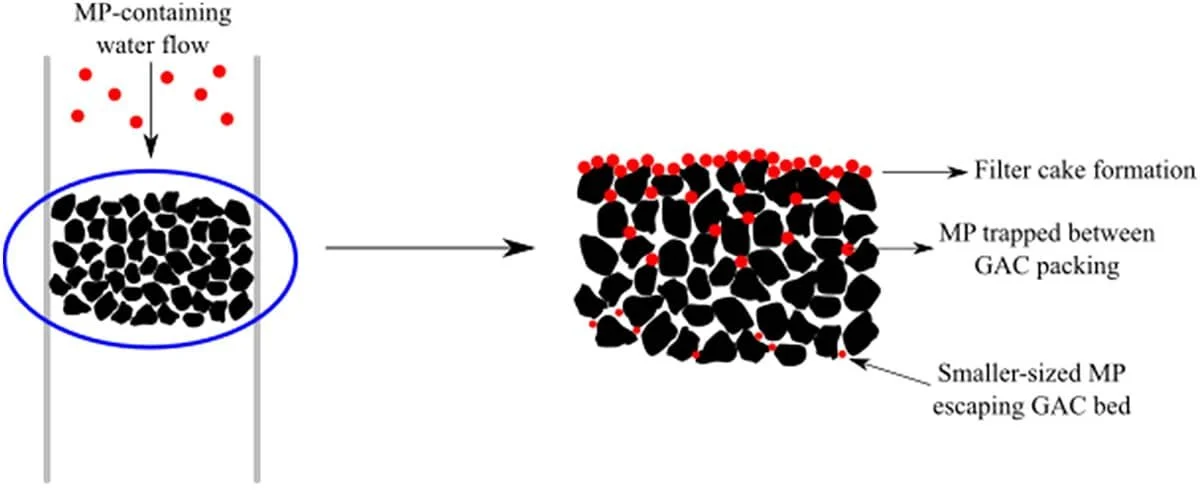
Source: Bioengineered
The problem with standard filters used at water treatment plants is that they aren't fine enough to capture microplastics, which can be as small as 1 nanometer. Advanced filtration that use porous materials like sand and activated carbon have been found to physically trap incredibly small microplastics.
Method #4: Magnetic separation
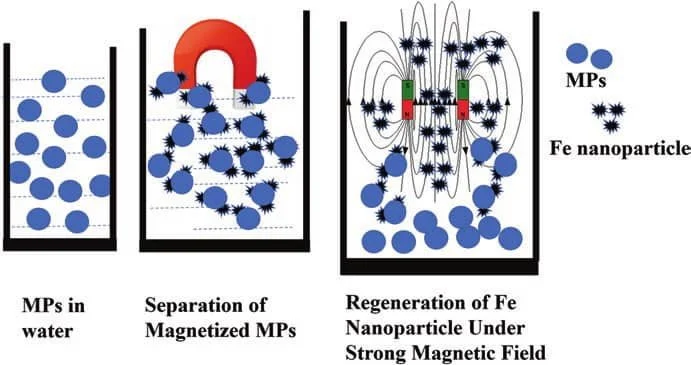
Source: Microplastic Occurrence, Fate, Impact, and Remediation (pp.127-153)
Microplastics aren’t magnetic. But researchers can add tiny magnetic particles (often iron-oxide based) that are designed to stick to microplastics. Once the plastics bind to them, you can pull the clumps out of the water with a magnet. In many lab studies, the magnetic particles can be collected and cleaned so they can be reused, while the captured microplastics are removed for disposal.
Method #5: Chemical degradation
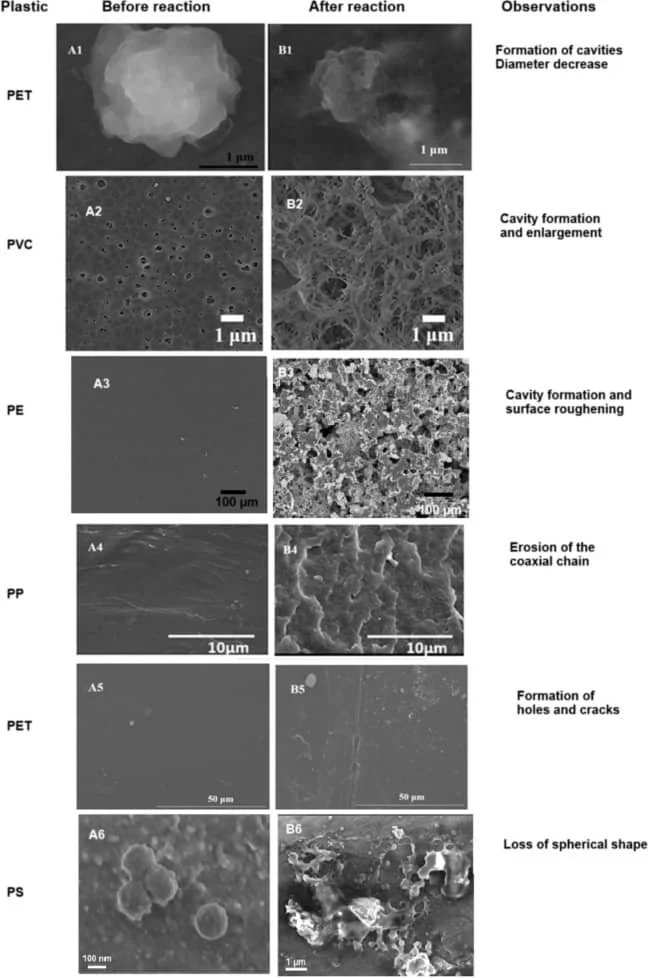
Advanced Oxidation Process (AOP), a type of chemical degradation, uses light and other catalysts to break down plastics. When UV light hits plastic, it generates highly reactive free radicals that break down the molecular structure of the plastic. This is why plastic can turn yellow over time. Throwing in additional catalysts speeds up this process and breaks down the plastic into harmless substances like carbon dioxide and water.
Method #6: Biodegradation
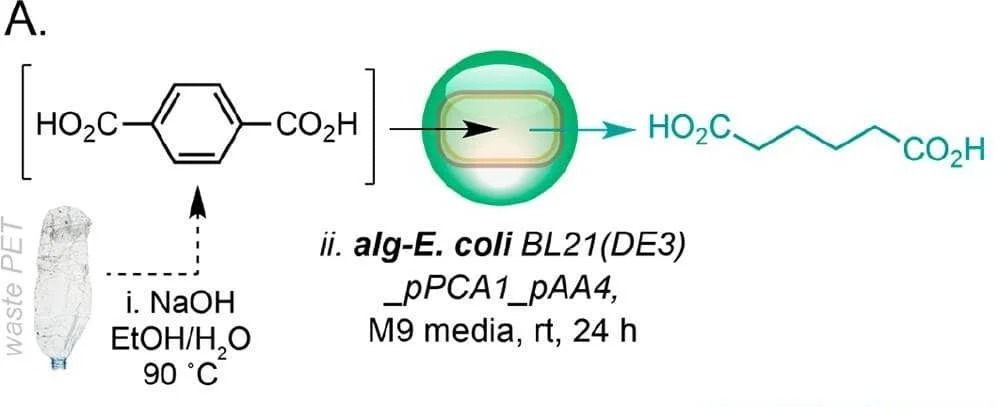
Source: ACS Central Science
Biodegradation similarly breaks down the microplastics into harmless substances. But instead of chemicals, this process uses living things bacteria, fungi, or even gut microbes to break down the plastic. In one paper (see figure above), an engineered strain of E. coli was used to break down plastic into adipic acid, a petrochemical used to manufacture Nylon.
Curious about how the world works?
Today You Should Know is a free, weekly email newsletter designed to help you learn something new every Friday.
Subscribe today 👇
Check out some other curious questions:



Sources
Amirah Mohd Napi, N. nor, Ibrahim, N., Adli Hanif, M., Hasan, M., Dahalan, F. A., Syafiuddin, A., & Boopathy, R. (2023). Column-based removal of high concentration microplastics in synthetic wastewater using granular activated carbon. Bioengineered, 14(1). https://doi.org/10.1080/21655979.2023.2276391
Bertagna Silva, D., & Marques, A. C. (2025). Tio₂-based photocatalytic degradation of microplastics in water: Current status, challenges and future perspectives. Journal of Water Process Engineering, 72, 107465. https://doi.org/10.1016/j.jwpe.2025.107465
Cho, R. (2022, October 13). How Do We Clean Up All That Ocean Plastic?. State of the Planet. https://news.climate.columbia.edu/2022/10/13/how-do-we-clean-up-all-that-ocean-plastic/
Choi, Y., Ma, Y., Wei, W., Yeung, Y. W., Wu, J. T., & Chua, S. L. (2025). Detection of microplastics pollution using a green fluorescent protein-based microbial biosensor coupled with Raman spectroscopy. ACS Sensors, 10(9), 6615–6622. https://doi.org/10.1021/acssensors.5c01120
EIB Institute. (2022, February 17). The story of WASSER 3.0. YouTube. https://www.youtube.com/watch?v=DOAPxSDkGCI
Fleming, D., & McMahon, L. (2023, February 27). Ocean plastic: How tech is being used to clean up waste problem. BBC News. https://www.bbc.com/news/technology-64744926
Gao, W., Zhang, Y., Mo, A., Jiang, J., Liang, Y., Cao, X., & He, D. (2022). Removal of microplastics in water: Technology progress and green strategies. Green Analytical Chemistry, 3, 100042. https://doi.org/10.1016/j.greeac.2022.100042
Gies, E. (2023, June 7). The Ocean Is Missing Its Rivers. Nautilus. https://nautil.us/the-oceans-are-missing-their-rivers-302187/
National Oceanic and Atmospheric Administration. (2013, February 7). Where Are the Pacific Garbage Patches?. Office of Response and Restoration. https://response.restoration.noaa.gov/about/media/where-are-pacific-garbage-patches.html
The Ocean Cleanup. (2024, September 6). The Great Pacific Garbage Patch can be Cleaned for $7.5 Billion. The Ocean Cleanup. https://theoceancleanup.com/press/press-releases/the-great-pacific-garbage-patch-can-be-cleaned-for-7-5-billion/
Pan, Y., Gao, S.-H., Ge, C., Gao, Q., Huang, S., Kang, Y., Luo, G., Zhang, Z., Fan, L., Zhu, Y., & Wang, A.-J. (2023). Removing microplastics from Aquatic Environments: A critical review. Environmental Science and Ecotechnology, 13, 100222. https://doi.org/10.1016/j.ese.2022.100222
Quaglia, S. (2021, April 28). Scientists find way to remove polluting microplastics with bacteria. The Guardian. https://www.theguardian.com/science/2021/apr/28/scientists-find-way-to-remove-polluting-microplastics-with-bacteria
Stuart, R. (2021, September 21). Scooping Plastic Out of the Ocean Is a Losing Game. Hakai Magazine. https://hakaimagazine.com/features/scooping-plastic-out-of-the-ocean-is-a-losing-game/
Subair, A., G., M., Chellappan, S., J., S. K., Chinglenthoiba, C., L., P. K., & S., I. M. (2023). Techniques for removal and degradation of microplastics. Environmental Chemistry for a Sustainable World, 127–153. https://doi.org/10.1007/978-3-031-36351-1_6
Valenzuela-Ortega, M., Suitor, J. T., White, M. F., Hinchcliffe, T., & Wallace, S. (2023). Microbial upcycling of waste pet to adipic acid. ACS Central Science, 9(11), 2057–2063. https://doi.org/10.1021/acscentsci.3c00414

.jpg)


We Americans sure do like American things.