
Why do we drive on parkways and park on driveways?
The short answer
Parkways were named for the parks they passed through, not for parking. Driveways were named for the driving people did on these private roads to reach a barn or a house, before many driveways became too short for driving.
The long answer
The English language is full of curiosities.
We say "above par" to mean something is good, even though that's actually bad in golf. We can remark something is both a "slim chance" or a "fat chance" to mean that there's a low probability. We call people with orange hair "redheads."
And as famous comedians have pointed out, we drive on parkways and park on driveways. The reason for this oddity has to do with the etymology of the words "parkway" and "driveway."
Why is a parkway called a parkway?
According to the Merriam-Webster Dictionary, a parkway is "a broad landscaped thoroughfare." Oftentimes, it's a road on public land intended for recreational travel through an area with scenic qualities.
In other words, a parkway is a road passing through either a park or park-like landscaping.
The term was coined in the late 1800s by American landscape architects who wanted to establish roads with nice scenery. The first parkways were landscaped roads passing through parks or connecting between urban areas.

"The Drive—Central Park—Four O'Clock" by Gray Parker (1883) showing horse-drawn carriages driving through a parkway in Central Park, New York.
Source: Clark Art Institute
Over time, a parkway became less of a road that served a function of connecting places and more of a destination itself. Parkways were pleasant places for a scenic carriage ride or a nice walk. Later on, automobiles took over parkways for recreational driving.
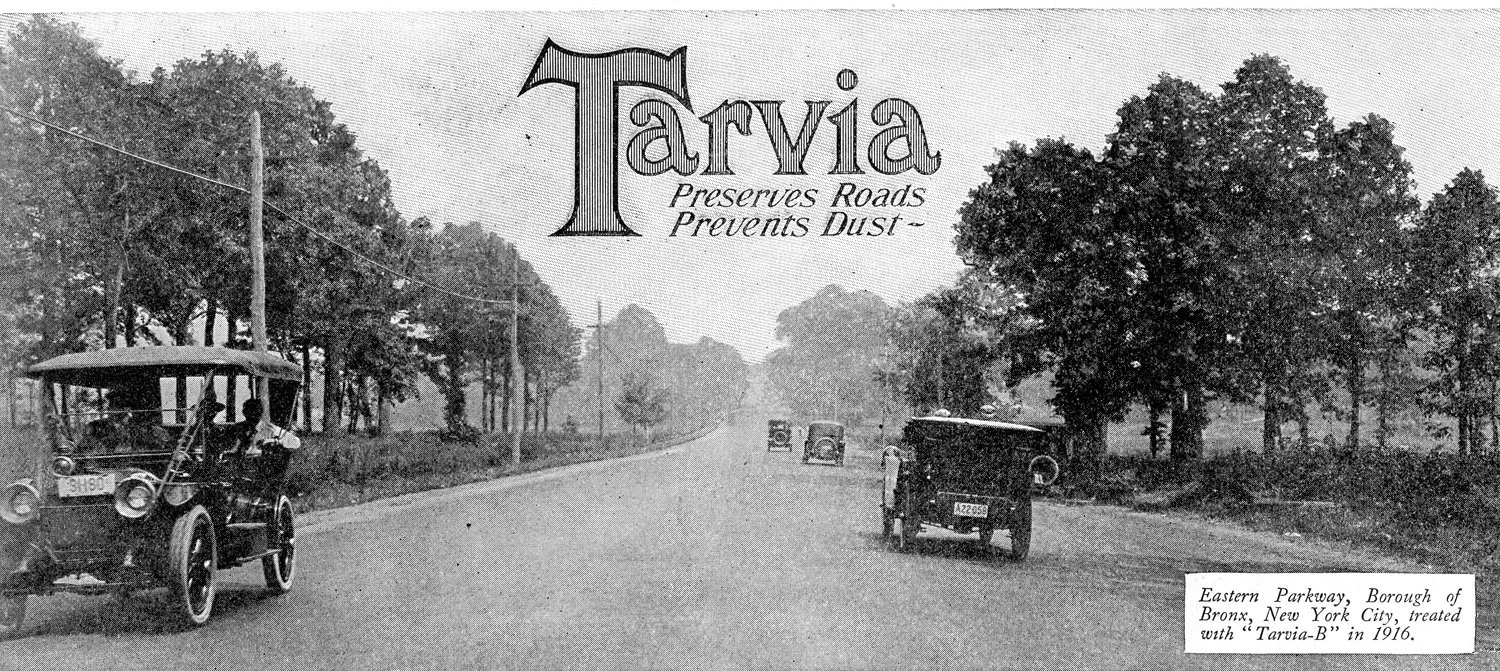
"Bronx Eastern Parkway1916 Tarvia Ad" is part of the public domain.
Parkways have since become landmark destinations through American national parks. The Blue Ridge Parkway stretches 469 miles (~755km), linking Shenandoah National Park in Virginia to Great Smoky Mountains National Park in North Carolina. The road is a tourist destination for those seeking natural beauty from the comfort of their car, motorcycle, or bicycle.
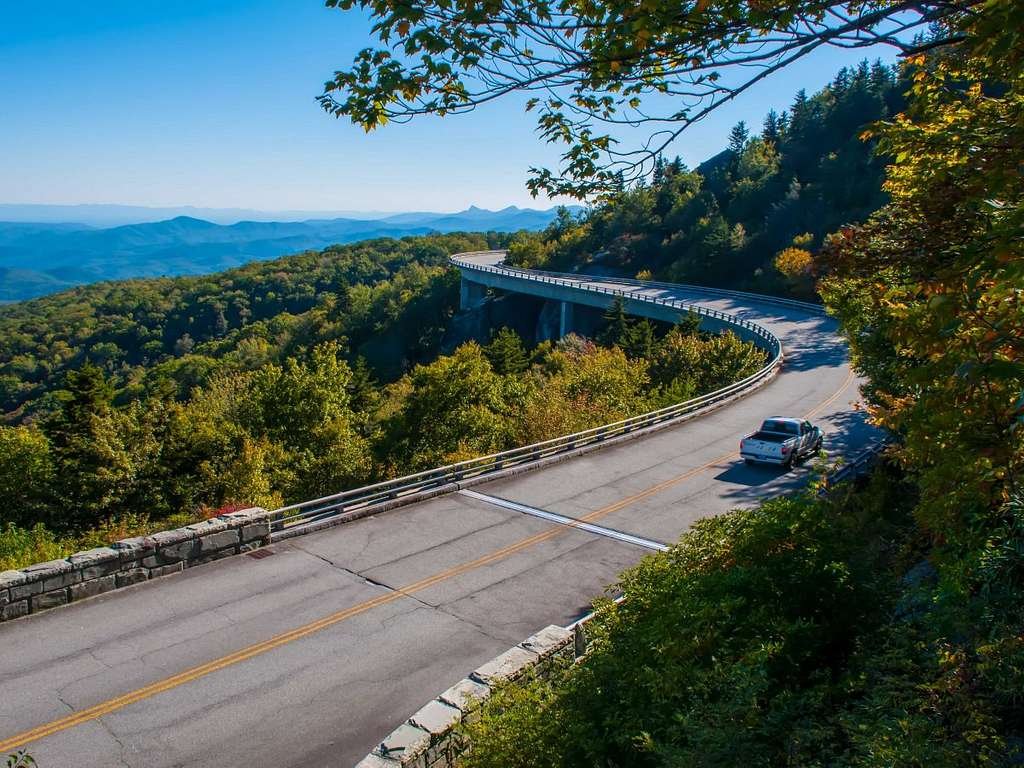
"Blue Ridge Parkway in North Carolina and Virginia" is part of the public domain.
In short, we drive on parkways because the "park" in the word refers to the natural beauty the road is surrounded by.
But there is one type of parkway where people truly park their vehicles. In Britain, a parkway refers to a railway station with a big commuter parking lot. Feel free to park at the Bristol Parkway's car park:
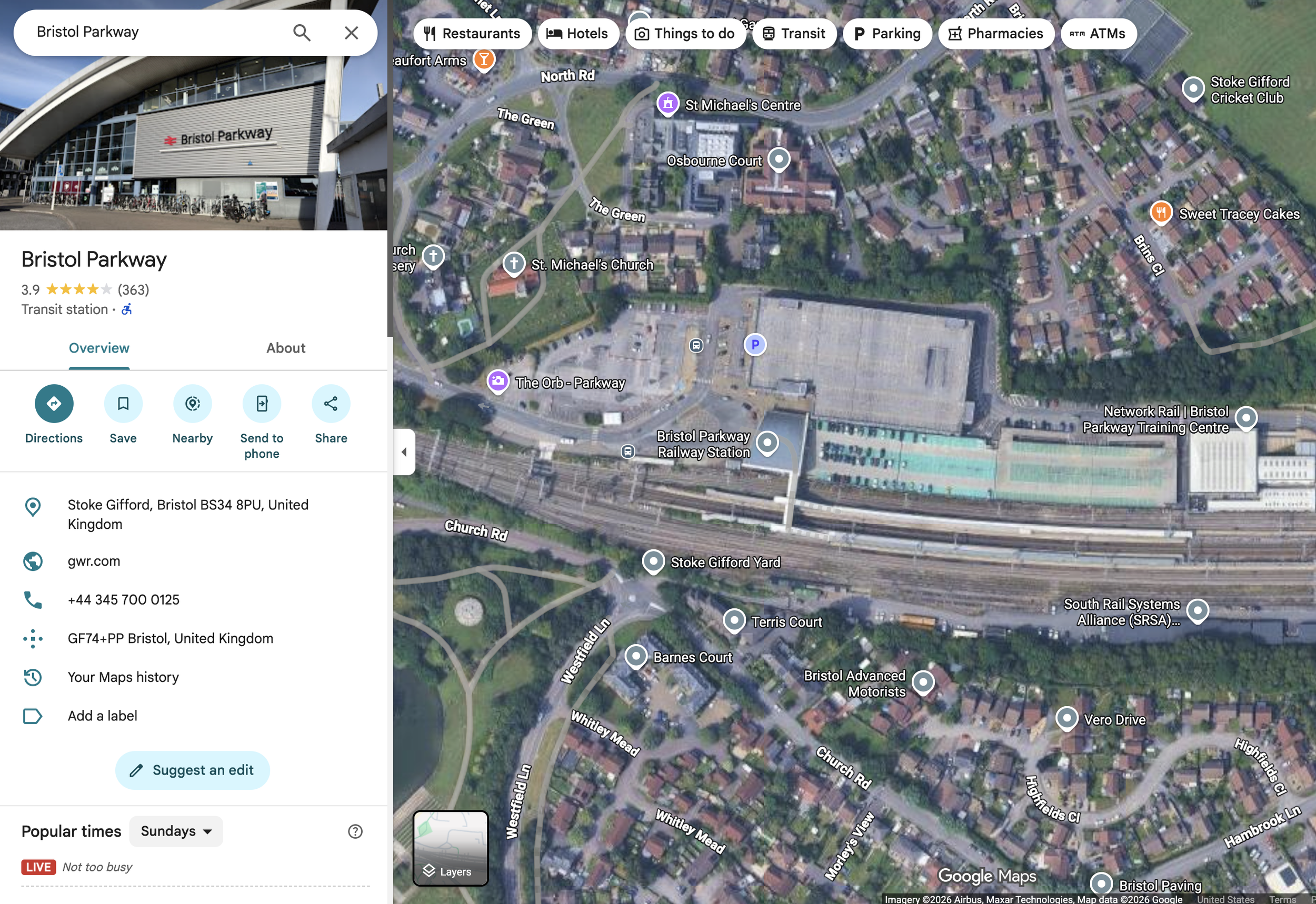
Why is a driveway called a driveway?
This word was also coined before the advent of automobiles. But unlike parkway, driveway didn't refer to where a road was, rather what the road was used for.
A driveway was originally just describing a road for driving vehicles like wagons and carriages. The earliest driveways were roads connecting barns with the public road, so that wagons could drive up to offload or take on cargo, like hay, grain, or livestock.
“The building should be so placed that the barn floor could be laid upon the beams, and the drive-way be into the end directly under the roof.”
At this time, driveways weren't typically used to park your vehicles. Your horses and wagons or carriages would get stored in a barn or stable, if you had one, or a field. By 1884, the definition of driveway more generally referred to a private road connecting a private residence to a public road.
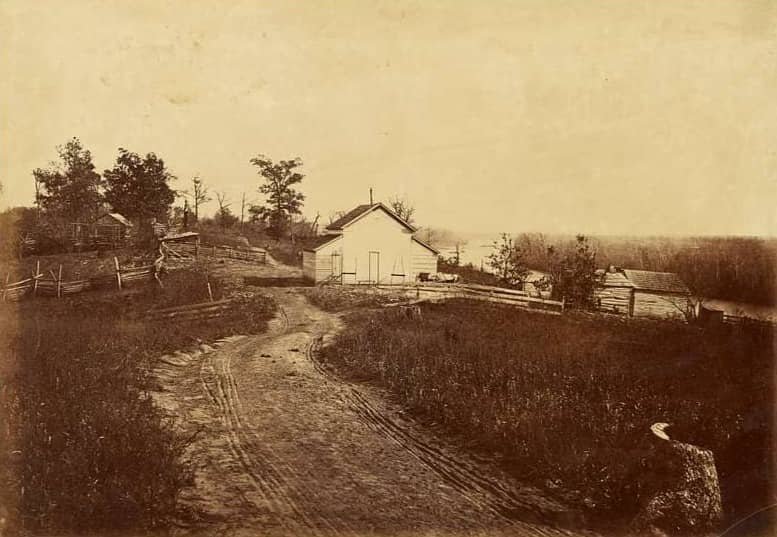
An 1867 photograph of a driveway leading to a barn.
"Indian Farm on the Delaware Reservation, Kansas" by Alexander Gardner.
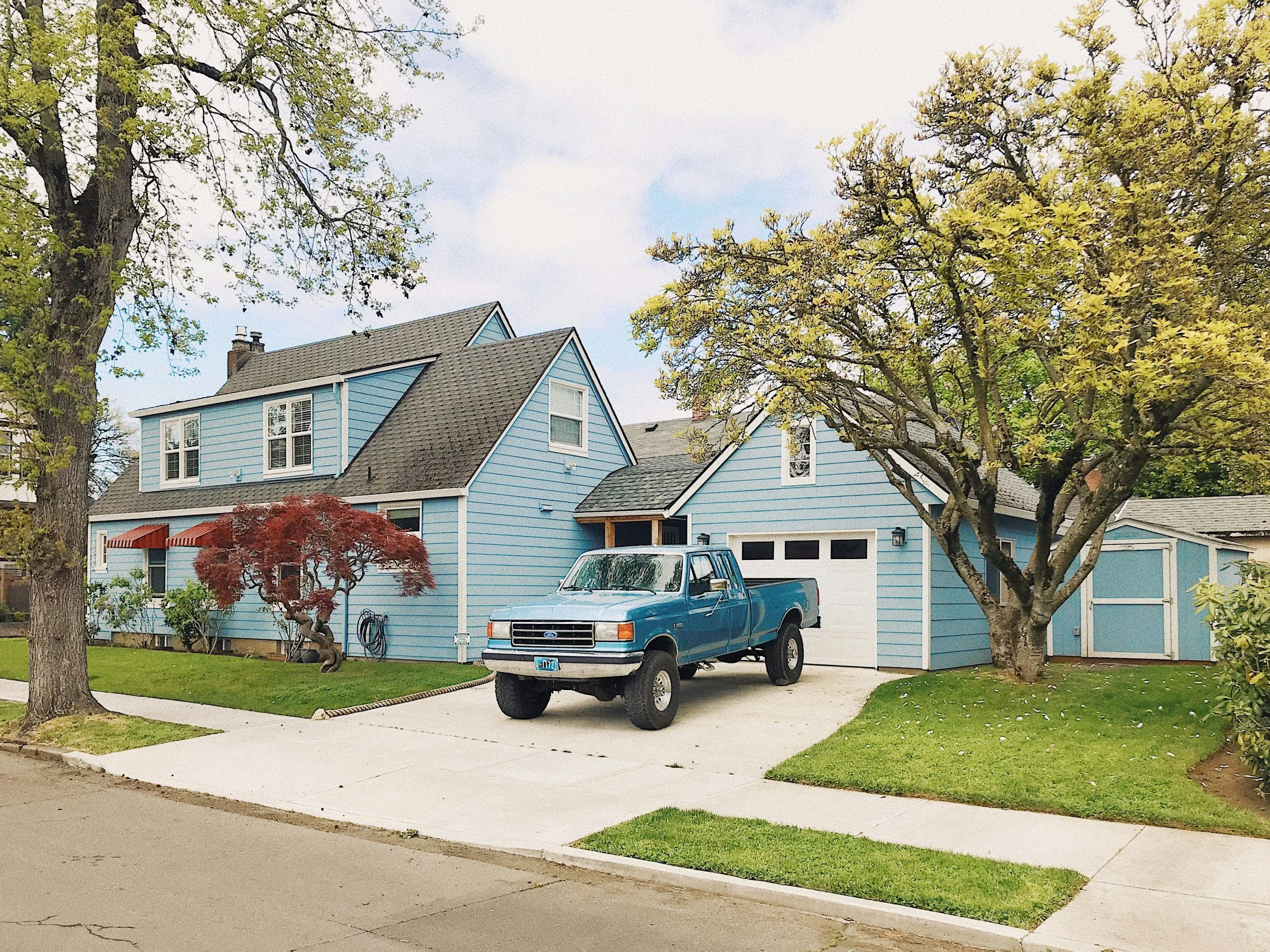
Over time, these driveways became handy places to park your vehicles, especially automobiles. And as suburban communities grew (where people didn't necessarily have large plots of land and barns to store cars), driveways became shorter and shorter. You no longer drove on a driveway — you just parked there.
Curious about how the world works?
Today You Should Know is a free, weekly email newsletter designed to help you learn something new every Friday.
Subscribe today 👇
Check out some other curious questions:

Sources
Douglas Harper. (n.d.). Driveway - etymology, origin & meaning. etymonline. https://www.etymonline.com/word/driveway
Merriam-Webster. (2026, April 14). Why do we park in the driveway and drive on the parkway?. Merriam-Webster. https://www.merriam-webster.com/wordplay/drive-parkway-park-driveway-history
Merriam-Webster. (n.d.). Parkway definition & meaning. Merriam-Webster. https://www.merriam-webster.com/dictionary/parkway
NPS History. (1998). COLONIAL PARKW AY CONTEXT: History of the American Parkway Movement, National Park Service Design, and Historic Preservation Contexts. NPS History. https://npshistory.com/publications/colo/colo-pkwy-context.pdf
O’Carroll, A. (2015). The Parkway: A curated legacy. amocarroll. https://amocarroll.com/projects/the-parkway-a-curated-legacy
Parkway, N. meanings, etymology and more | oxford English dictionary. (n.d.). https://www.oed.com/dictionary/parkway_n
Smallwood, K. (2016, October 11). The Surprisingly Reasonable Answer to the Age Old Question- Why Do We Drive on Parkways and Park on Driveways?. Today I Found Out. http://www.todayifoundout.com/index.php/2016/10/why-do-we-drive-parkways-park-driveways/


We Americans sure do like American things.