
How do pimple patches work?
The short answer
Pimple patches are wound dressings for your zits that absorb pus and oil while keeping you from picking at your skin. They work best on pimples that are already open, like whiteheads and pustules, not blackheads or cystic acne.
The long answer
Perhaps you've wandered down the drugstore aisles, desperate for something to make a pimple go away. Among the sunscreen and cosmetics, you come upon boxes of little pimple patches with big promises.
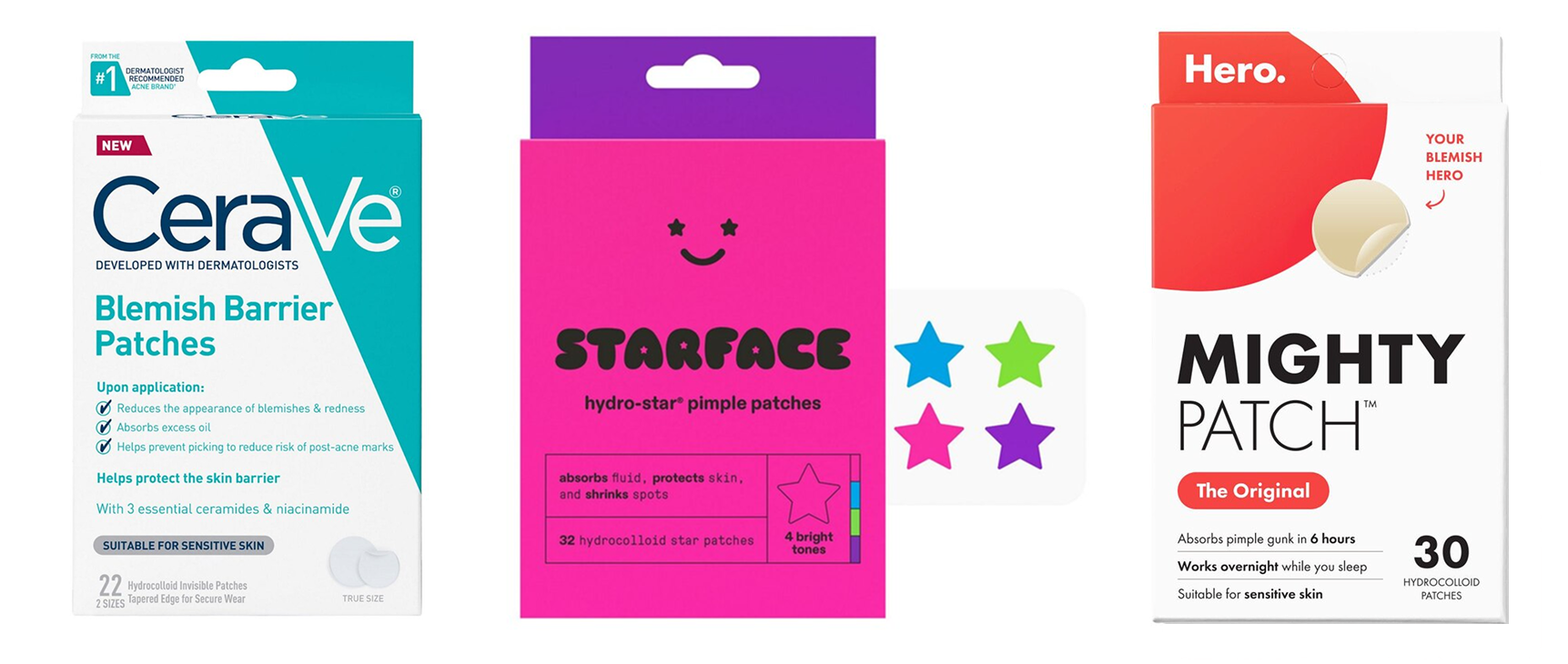
But what are pimple patches and how do they work? And do they even work?
As always, let's start with the basics:
What is a pimple?
A pimple is an inflamed hair follicle which occurs when bacteria, dead skin, and oils get trapped below the surface. This clogged pore triggers skin inflammation in an attempt to fight the bacterial infection.
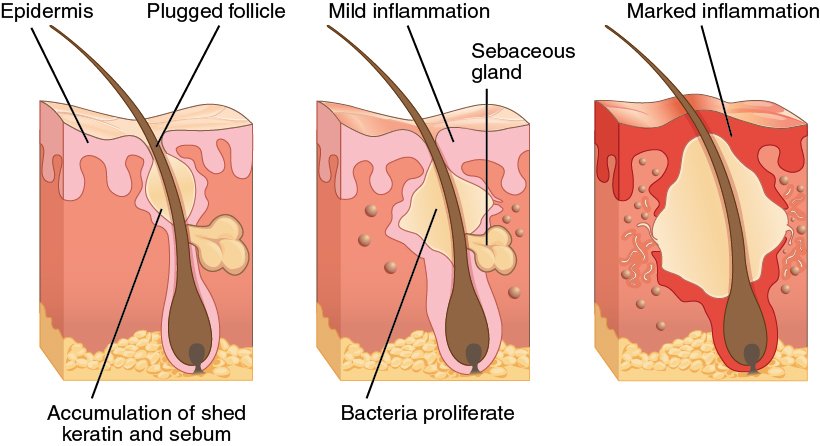
"515 Acne formation" by OpenStax College is licensed under CC BY 3.0.
This immune system response causes redness, swelling, and tenderness. And if a stronger reaction is needed, white blood cells build up and form pus (a mix of white blood cells, bacteria, oil, and dead skin).
How do pimple patches work?
Pimple patches are over-the-counter spot treatments designed to help popped pimples heal faster and minimize damage. In essence, they are specialized wound healing dressings, like moist bandaids for your opened pimples.
They're typically made of hydrocolloid, a moisture-absorbing wound dressing material. The patch adheres to the skin and absorbs surface fluid (pus, oil, and dirt), similar to how a sponge pulls in water.
Other added ingredients might include salicylic acid (to unclog pores), tea tree oil (to dry out the pimple, kill bacteria, and decrease inflammation), and hyaluronic acid (to hydrate the skin), among others.

Source: Know to Glow
If you've popped a pimple, applying a pimple patch can help your skin recover faster by preventing you from touching it again, absorbing the fluid, and creating a moist environment for faster healing. Studies have shown that using pimple patches can lead to a statistically significant reduction in overall severity of acne and inflammation.
And while they are most effective when placed over open zits, there is some evidence that they can help with closed pimples as well. A 2024 study found that participants who used pimple patches on closed pimples had significantly greater reduction in pimple size and dryness than those not using the patches.
Side note: Don't pop a pimple so you can use a pimple patch. Popping a pimple can increase inflammation, push bacteria deeper into the skin, and raise the risk of scarring.
What kind of pimples do pimple patches not work on?
Pimple patches work best on open and oozing pimples. Their effectiveness depends on the type of pimple.
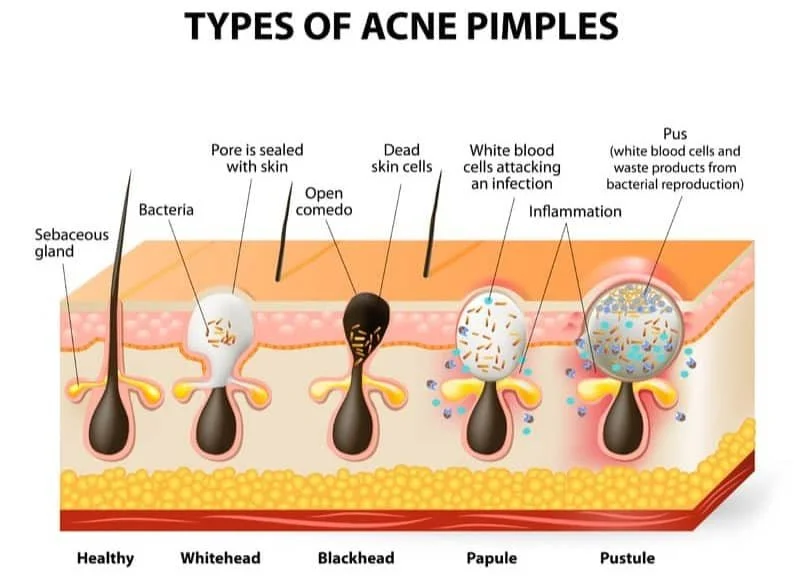
Here's a breakdown of the types of pimples and whether a pimple patch could help. (The links go to Cleveland Clinic or Healthline pages that describe and show pictures of each.)
| Type of pimple | Use a pimple patch? |
|---|---|
| Whiteheads: A clogged pore that's capped with a white or skin-colored bump | ✅ Yes |
| Blackheads: A clogged pore that's open at the surface, oxidizing and turning dark | ❌ No, there's no fluid for the patch to absorb |
| Papules: A small, inflamed, red bump with no visible head | ❌ No, there's no pus yet for the patch to pull out (but a medicated patch with salicylic acid may help) |
| Pustules: A pimple with a visible white or yellow pus-filled head | ✅ Yes |
| Cystic acne: A deep, painful lump under the skin | ❌ No, the inflammation sits too deep under the skin for a patch to reach (but a microneedle patch may help) |
🧠 Bonus brain points
Where does the pus go if you don't pop a pimple?
If you can resist the siren call of pimple popping, you will be rewarded with the gift of your body's healing process. Eventually, one of two things will happen:
For surface level pimples, the skin will break open on its own and allow pus to drain out.
For deeper pimples, they will also break down and dissolve under the surface of the skin.
While it may take between a few days or weeks, depending on the severity, the pimple will go away as your body naturally heals itself.
Curious about how the world works?
Today You Should Know is a free, weekly email newsletter designed to help you learn something new every Friday.
Subscribe today 👇
Check out some other curious questions:

Sources
Chao, C. M., Lai, W. Y., Wu, B. Y., Chang, H. C., Huang, W. S., & Chen, Y. F. (2006). A pilot study on efficacy treatment of acne vulgaris using a new method: results of a randomized double-blind trial with Acne Dressing. Journal of cosmetic science, 57(2), 95–105. https://pubmed.ncbi.nlm.nih.gov/16688374/
Cleveland Clinic. (2025, November 28). Can Pimple Patches Make a Zit Go Away?. Cleveland Clinic. https://health.clevelandclinic.org/how-do-pimple-patches-work
Collins, B. (2023, October). Pimple Patches and What They Offer. ChemMatters. https://www.acs.org/content/dam/acsorg/education/resources/highschool/chemmatters/documents/pimple-patches-and-what-they-offer-tg.docx
Crystal Run Healthcare. (2025, August 12). Acne vs. Pimples: They Aren’t Exactly the Same Thing. Crystal Run Healthcare. https://www.crystalrunhealthcare.com/articles/acne-vs-pimples-they-arent-exactly-the-same-thing
Kosmoski, G., Du-Soriano, J., Ilg, D., DelSasso, A., & Zhang, P. (2024). 50551 the science behind a viral trend: Demonstrating safety and efficacy of hydrocolloid patch for facial acne. Journal of the American Academy of Dermatology, 91(3). https://doi.org/10.1016/j.jaad.2024.07.1336
Lee, S. (2026, January 29). What’s Inside a Pimple? A Dermatologist Explains. SLMD Skincare. https://slmdskincare.com/blogs/learn/whats-inside-a-pimple
Optima Dermatology. (2026, June). Derm Deep Dive: Do Pimple Patches Work?. Optima Dermatology. https://optimadermatology.com/2026/06/05/derm-deep-dive-do-pimple-patches-work


We Americans sure do like American things.